How to Fix Anterior Pelvic Tilt with Exercises
Yana Blinova
By Yana Blinova, MS, Inventor of Pelvic Clock® Exercise Device, Former Olympic Coach

Anterior Pelvic Tilt (APT)
Poor posture is very common today. Sitting for long periods and not moving enough can lead to postural problems. One of the most common is anterior pelvic tilt (APT).
How to Tell if You Have Anterior Pelvic Tilt
You may have APT if you notice one or more of the following:
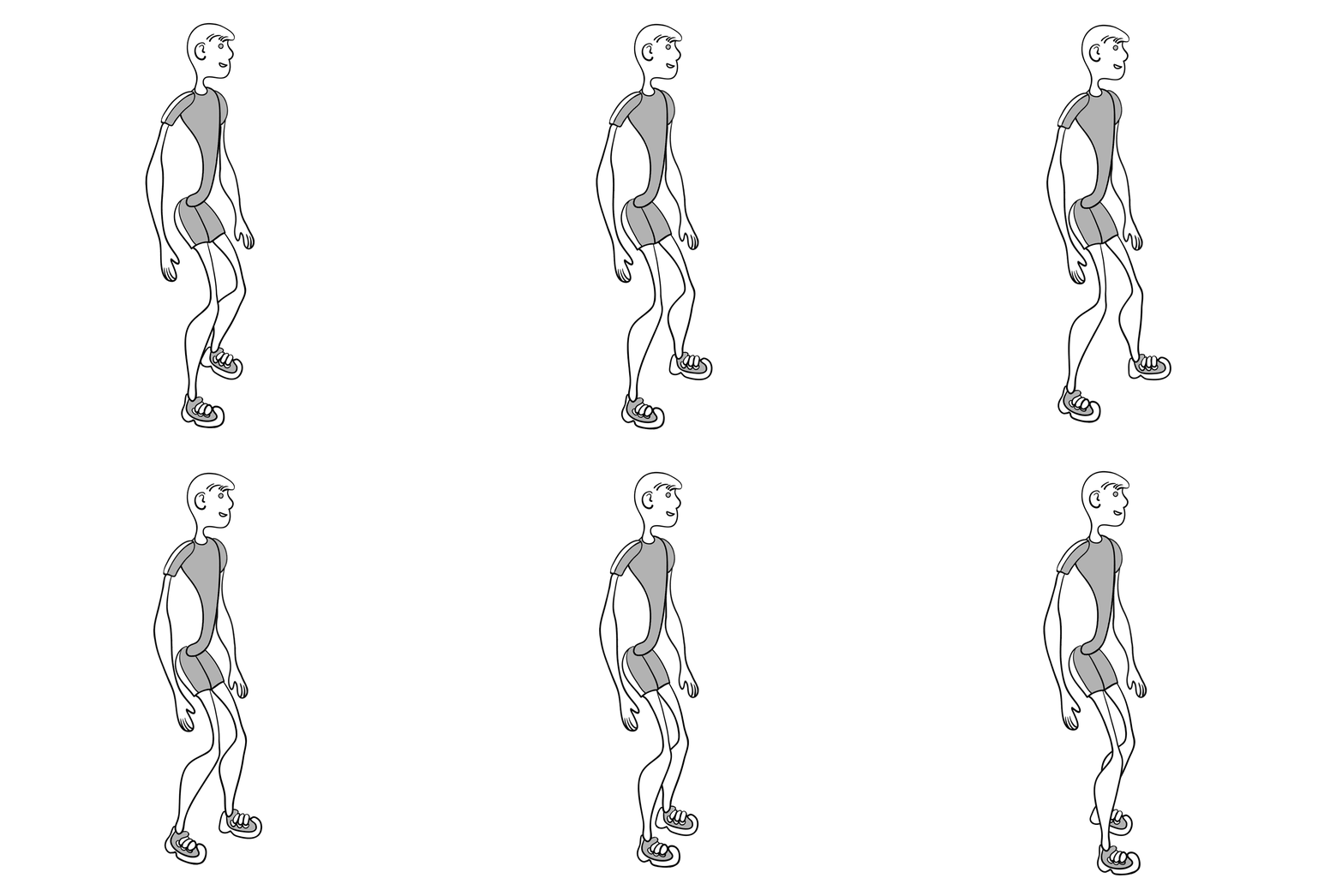
“Butt out” posture
“Belly out” posture
“Hollow back” posture (increased inward curve of the lower back)
Pelvis tilted forward
Tight quadratus lumborum (QL) muscles
Tight hip flexor muscles
Hips and knees slightly bent when standing or walking
“Duck feet” (feet pointing outward)
Shorter steps when walking
Flat-footed walking
Feet rolling inward (overpronation)
These changes affect how your body moves during walking and other daily activities.
Can Anterior Pelvic Tilt Affect Only One Side?
APT can be one-sided. When one hip tilts forward, the other often compensates.
You might notice asymmetry, such as a twisted or rotated pelvis, hip hike, or leg length differences, and feel pain on one side of your hip or lower back.
One-sided APT usually develops from repetitive habits, such as:
Sitting with a thick wallet in one back pocket
Shifting weight onto the same leg while standing
Sports like soccer, golf, or tennis
Sleeping on your side, stomach, or in a half-stomach position
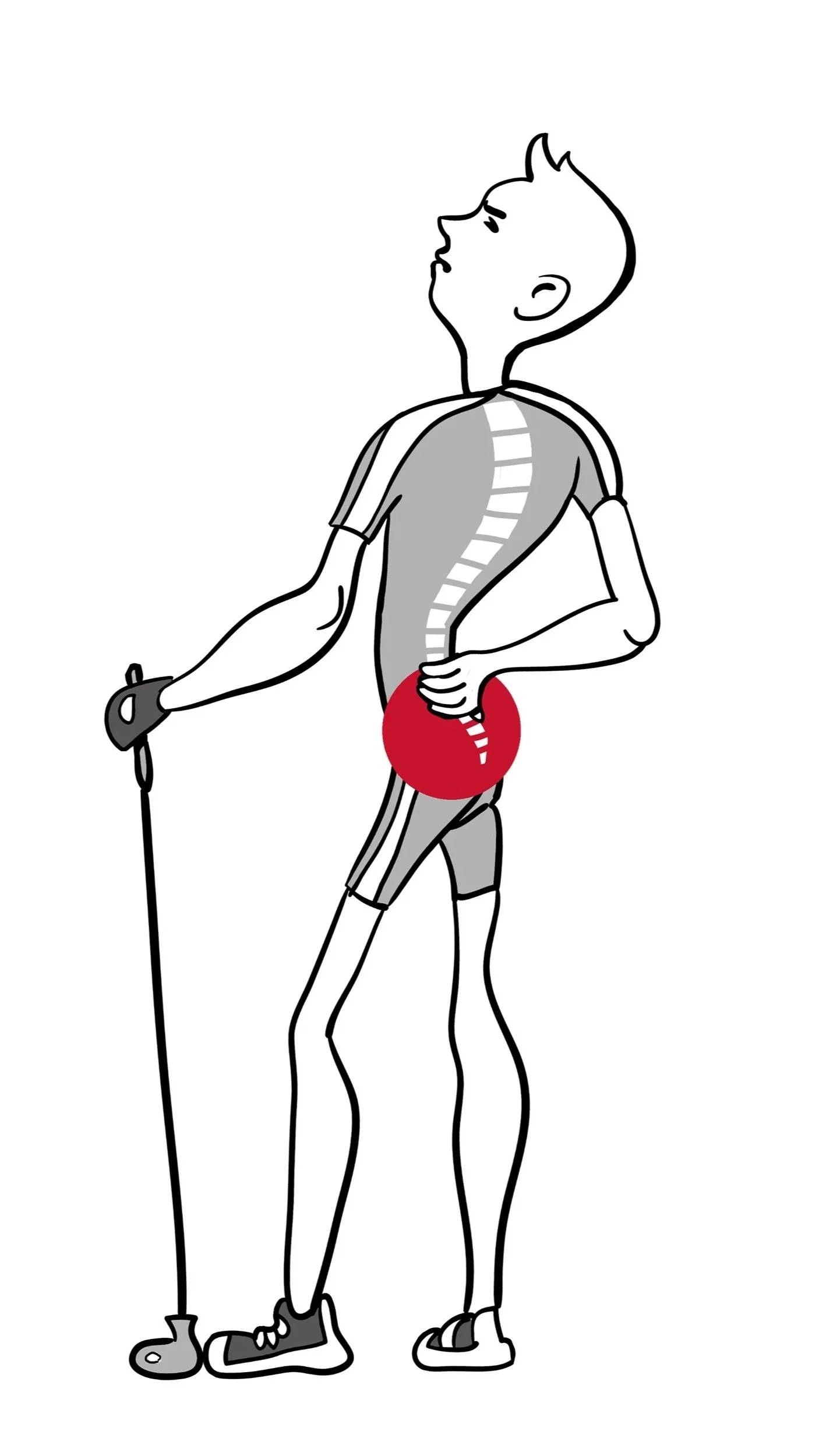
To correct it, follow the Pelvic Clock® exercise routine for a Twisted Pelvis.
Why Fix ANTERIOR PELVIC TILT?
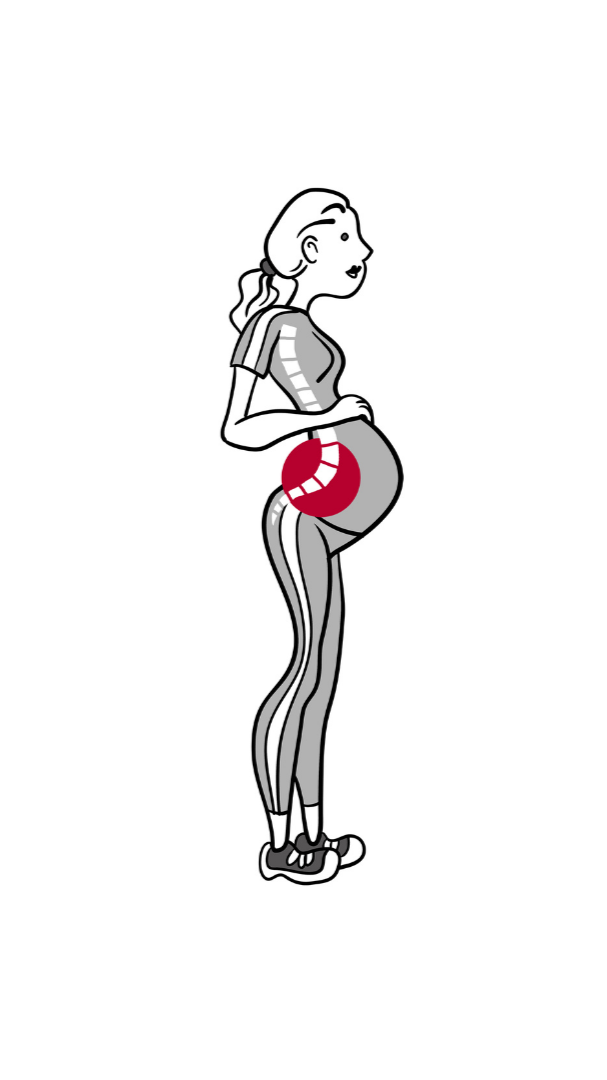
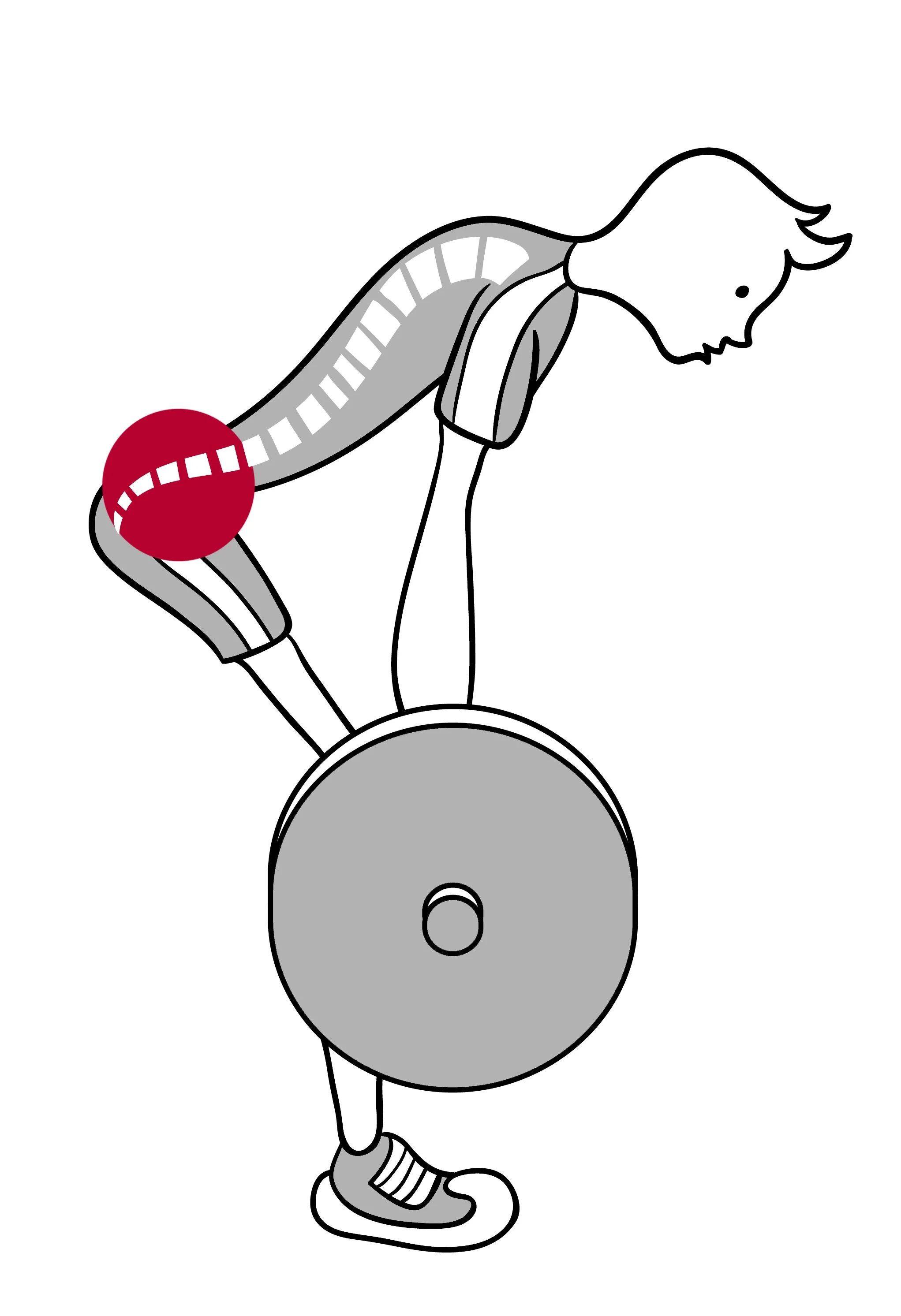
Over time, anterior pelvic tilt can lead to lower back pain.
Extra stress on the lower back—during pregnancy or from sports like weightlifting, cycling, running, or golf—can cause injury or chronic pain.
The good news: a few simple exercises can help prevent lower back pain caused by APT, but only if practiced consistently.
Why Use the Pelvic Clock®?
The Pelvic Clock® helps you do the following:
Stretch tight quadratus lumborum (QL) muscles
Release tight hip flexor (iliopsoas) muscles
Activate and strengthen deep core muscles
Reinforce a neutral pelvic position
Correct foot overpronation
The device makes corrective exercises more effective by assisting targeted pelvic tilts and allowing mild lumbar traction. Its unstable surface makes core exercises more challenging.
PELVIC CLOCK® LUMBAR TRACTION EXERCISES

Exercise “12 – HOLD”
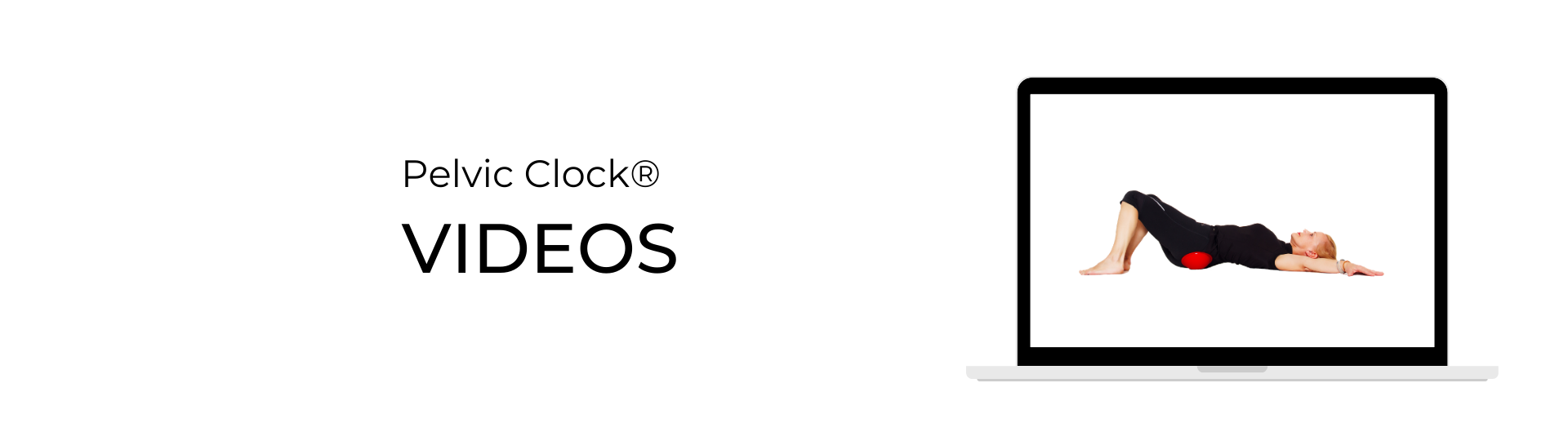
Lie on your back with your knees bent and feet flat on the floor. Place the Pelvic Clock® under your sacrum.
EXHALE and gently tilt your pelvis backward toward the 12 o’clock marker (toward your head), pressing your lower back into the floor.
HOLD this position for 5 seconds. INHALE and return to neutral.
Repeat 10 times, gradually increasing the hold time as your control improves.
Exercise “6 – 1 – 6 – 11”
Lie on your back with your knees bent, feet flat on the floor, and hips at hip-width apart. Place the Pelvic Clock® under your sacrum.
Move your pelvis following this pattern: 6 → 1 → 6 → 11, paying special attention to positions 1 o’clock and 11 o’clock.
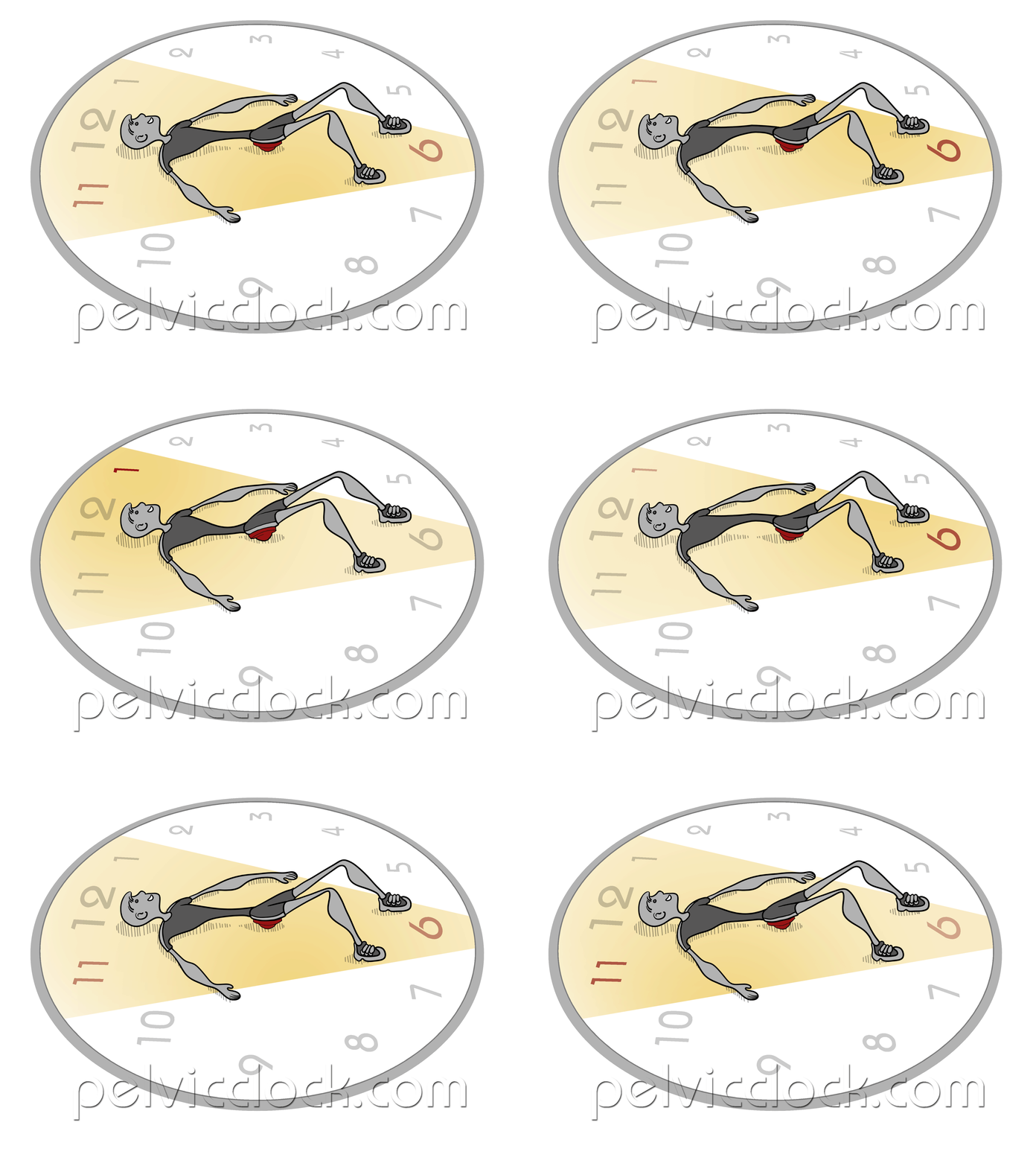
6 → 1
EXHALE as you tilt your pelvis back to the left toward 1 o’clock. Flatten the left side of your lower back into the floor.
HOLD this “crunch to the left” position for 5 seconds.
INHALE and tilt your pelvis forward toward 6 o’clock.
6 → 11
EXHALE as you tilt your pelvis back to the right toward 11 o’clock. Flatten the right side of your lower back into the floor.
HOLD this “crunch to the right” position for 5 seconds.
INHALE and tilt your pelvis forward toward 6 o’clock.
WATCH VIDEO:
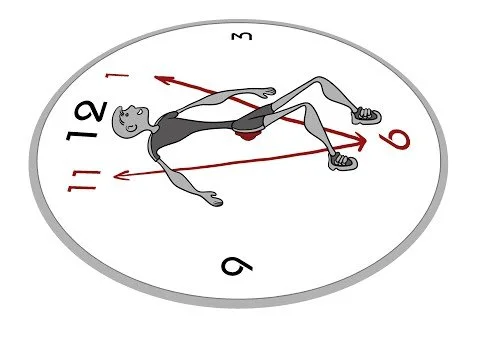
Compare both sides. Add extra repetitions or hold time on the side that feels stiffer, less controlled, or weaker
PELVIC CLOCK® STRETCH FOR HIP FLEXORS
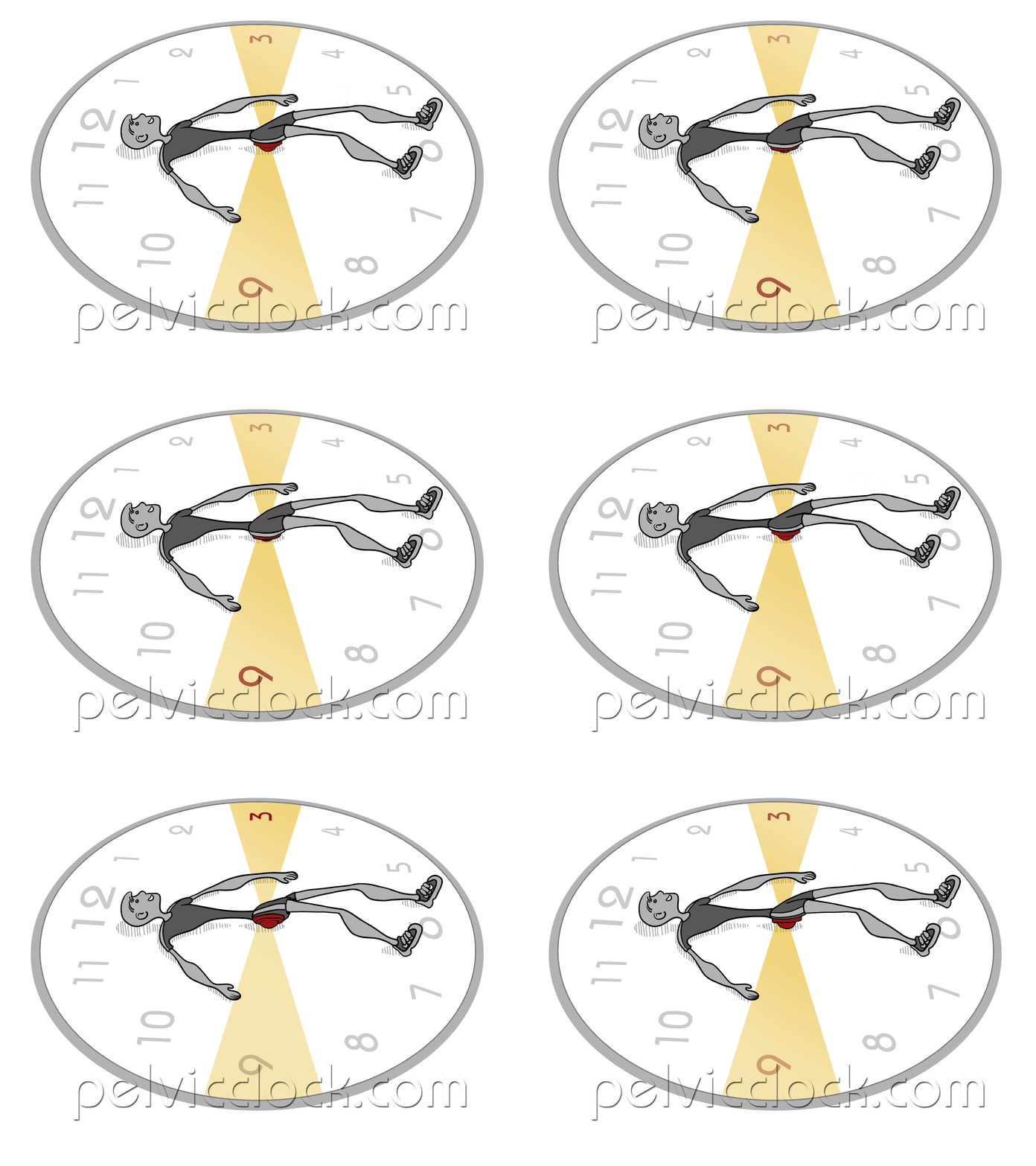
Exercise “3–9” with straight legs
Lie on your back and place the Pelvic Clock® under your sacrum.
Stretch your legs and relax.
Slowly rock your pelvis side to side, following the 3–9 pattern.
Repeat 10–20 times.
PELVIC CLOCK® OVERPRONATION EXERCISES
Isometric Foot Exercise for Overpronation & Flat Feet
Place the flat surface of the Pelvic Clock® exercise device on the floor between your feet.
Stand with the outer sides of your feet on the floor and the inner sides on the rounded surface of the device.
Wrap your feet around the device and curl your toes to match its shape.
“Squeeze” the device with your toes.
HOLD for 15–45 seconds.
Repeat 5 times.
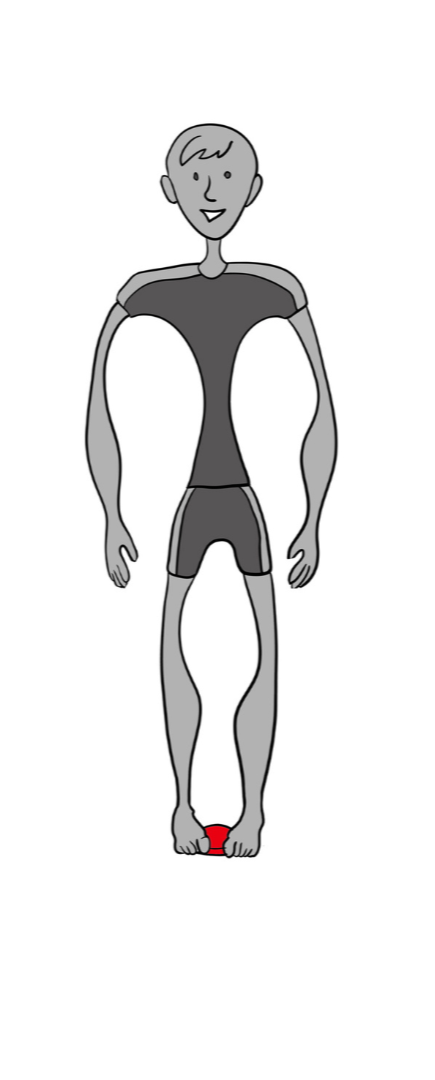
If you feel foot cramps, this means some muscles are weak or inactive. Lightly tap your feet on the floor until the cramp goes away, then continue the exercise.


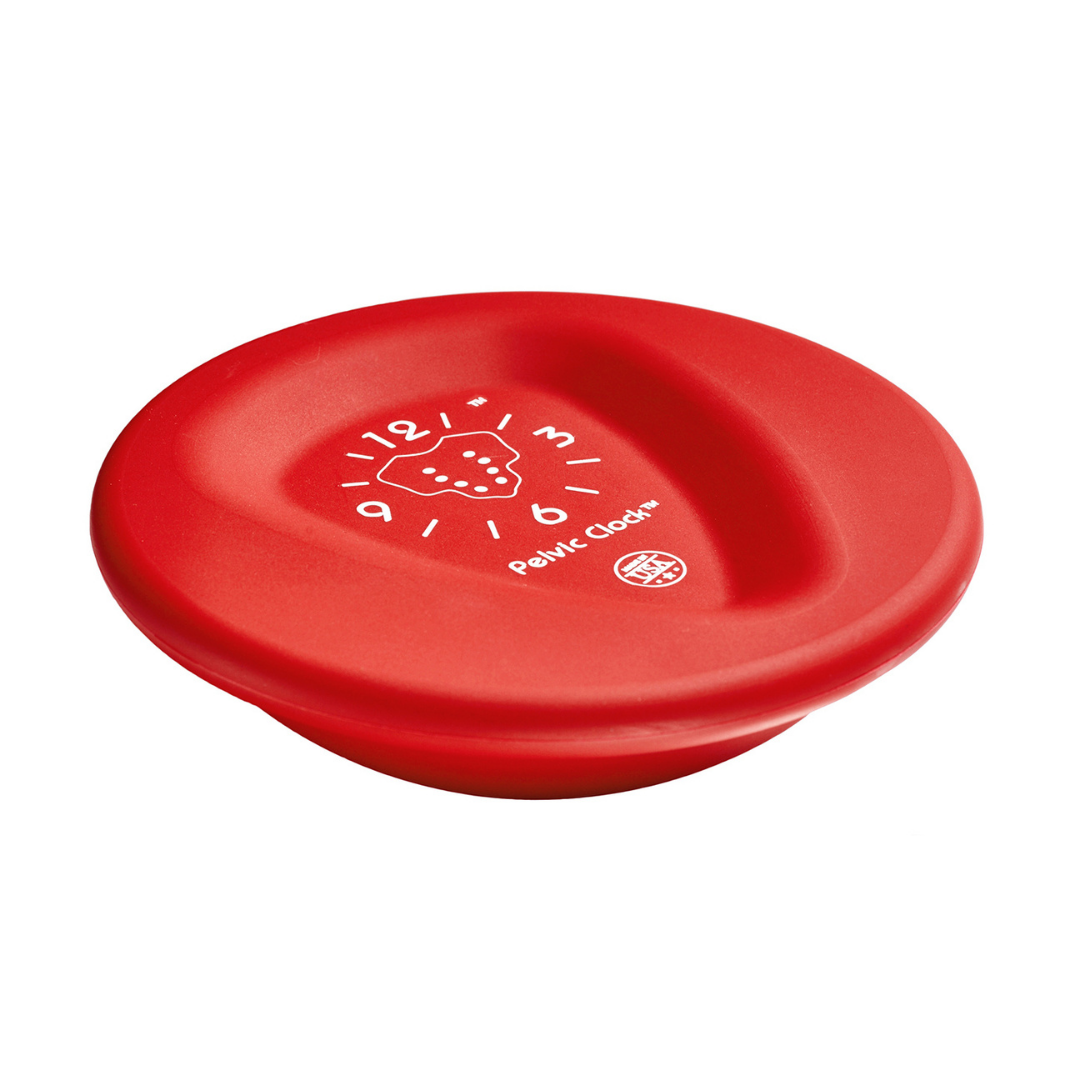
Manufactured in the USA, the Pelvic Clock® is a portable exercise tool for the hips and lower back. It is recommended for stretching and core stability workouts designed to relieve chronic pain associated with sacroiliac dysfunction, scoliosis, piriformis syndrome, lumbar spinal stenosis, and other related conditions.
Size: 6.5" x 2". Weight: 0.75 lbs.